Indian Fragrance 4 minute read
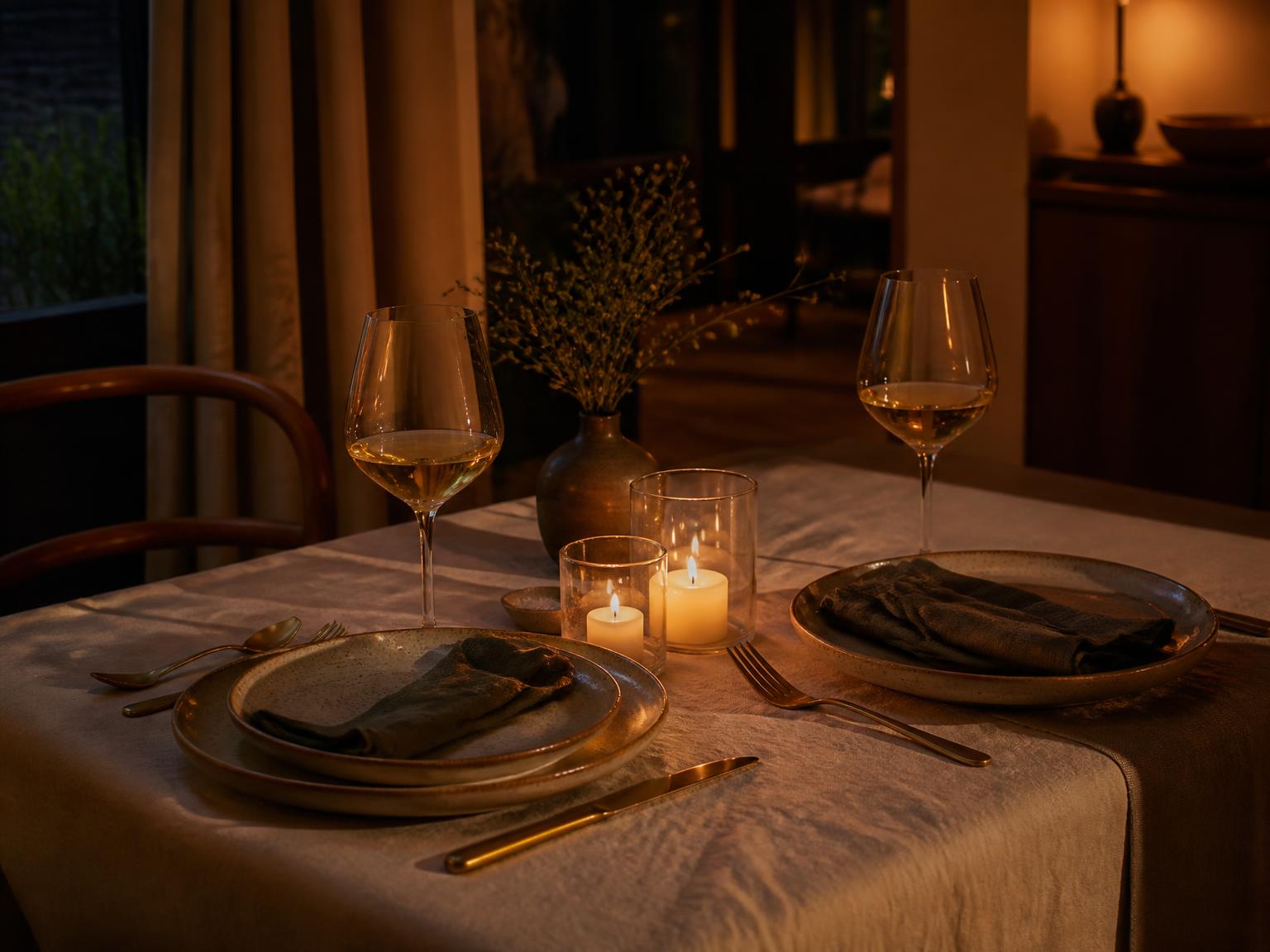
Mogra belongs to the evening.
A flower opening after sunset carries a different kind of sweetness into the room.
4 minute read · Published
A flower that waits for dark
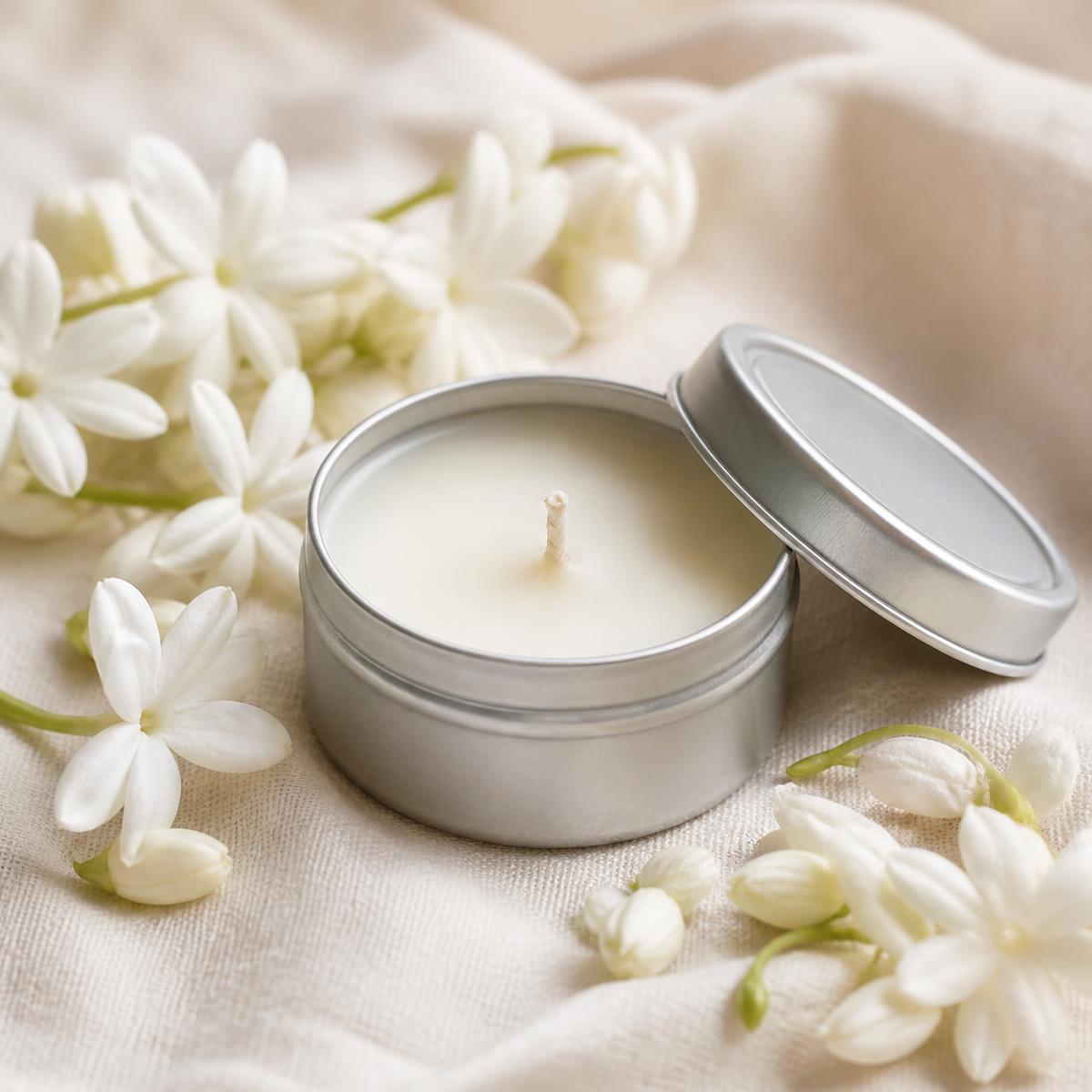
Mogra opens as the light drops. Its oil glands are most active after sunset, which is why the fragrance you meet on an evening walk is stronger and sweeter than anything the same flower gives off at noon.
That timing is not incidental to how we use it. A mogra candle is built to be lit when the day is closing, not while the sun is still in the room.
What mogra actually smells like
- Creamy and white-floral, closer to jasmine than to rose
- A green, milky facet underneath the sweetness, from the stem and leaf
- A honeyed warmth that builds the longer it sits in a closed room
- Almost no bitterness — mogra reads soft even at full strength
Why it feels distinctly Indian
Mogra threads through evening pujas, wedding garlands, hair oil, and the flower-sellers outside almost every train station in the country. The scent carries that context with it — it rarely reads as generic “white floral” to anyone who grew up around it.
How to burn it well
Light it around dusk, in a room you plan to sit in for a while — mogra needs about fifteen minutes to open fully. It is happiest in bedrooms, verandahs, and any space near an open window where the evening air can carry it.
Approx. 40-hour burn on our 200 g vessel.
When to reach for it
- Warm evenings when the windows are open
- Festive occasions and quiet celebrations alike
- Gifting to someone who wears jasmine or mogra oil
- Pairing with a green or citrus candle earlier in the day, then switching over at night